
If you’re looking to sell your house in the UK, you may have come across the term “Energy Performance Certificate” or EPC. But what exactly is an EPC and do you need one to sell your property? In this article, we will explore the ins and outs of EPCs, including why they are required, how to obtain one, the costs involved, and how they can impact the sale of your house. So, if you’re wondering about EPCs and their role in selling a house, keep reading to find out everything you need to know.
What is an Energy Performance Certificate (EPC)?

Credits: Quicksellmyhouse.Co.Uk – Jacob Moore
An Energy Performance Certificate (EPC) is a document that assesses the energy efficiency of a property and provides a rating based on its performance.
Understanding the significance of an EPC is crucial in today’s environmentally-conscious world. It serves as a benchmark for the energy efficiency of buildings, helping both property owners and potential buyers or tenants make informed decisions. The evaluation process of an EPC takes into account various factors such as insulation, heating systems, lighting, and overall energy usage. By analysing these aspects, the certificate not only highlights areas for improvement but also showcases the property’s eco-friendly features.
Energy efficiency plays a pivotal role in reducing carbon footprint and lowering utility costs, making EPC ratings a fundamental aspect of the property market.
Do You Need an EPC to Sell a House?
When selling a house in the UK, it is mandatory to have an Energy Performance Certificate (EPC) for the property.
It is crucial to comply with this legal requirement as the EPC provides essential information about the energy efficiency of the property, helping potential buyers make informed decisions. The certificate rates the property from A to G based on its energy efficiency, with A being the most efficient and G being the least.
Not having a valid EPC can lead to serious consequences, including potential fines. Without an EPC, the property may struggle to attract potential buyers, impacting its marketability and potentially decreasing its value.
What Are the Exceptions to Requiring an EPC?
There are certain exceptions to the requirement of having an Energy Performance Certificate (EPC) for buildings, such as properties with a valid certificate issued within the last 10 years.
Along with this timeframe-based exception, situations where a property is a listed building or temporary structure not intended for long-term use may also be exempt from needing an EPC. Buildings with low energy demand, such as industrial sites with specific energy consumption patterns, may fall under the exceptions category. It’s important to note that certain properties used for religious activities, such as places of worship, and standalone buildings with total floor area under 50 square metres can also be exempt from obtaining an EPC.
Why is an Energy Performance Certificate (EPC) Required to Sell a House?
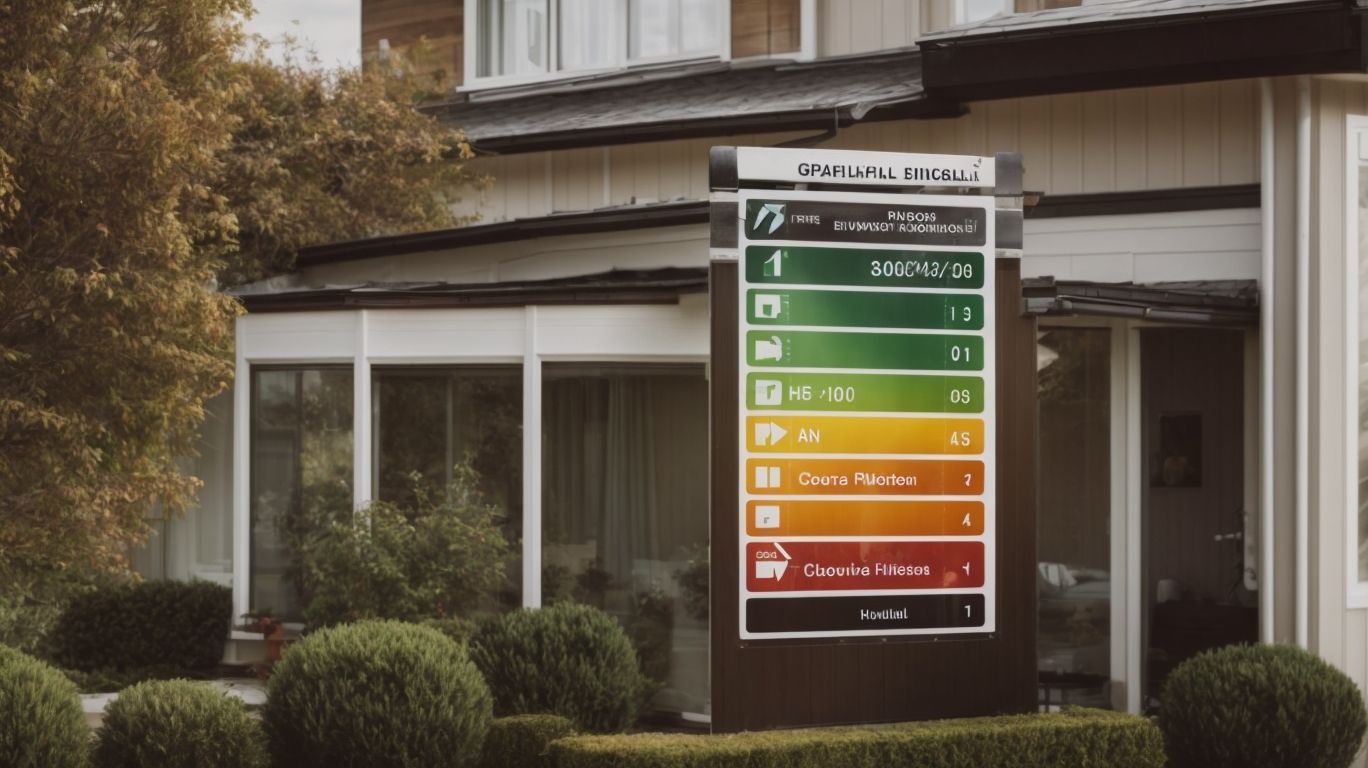
Credits: Quicksellmyhouse.Co.Uk – John Clark
An Energy Performance Certificate (EPC) is required when selling a house to provide potential buyers with information about the property’s energy efficiency and performance.
By obtaining an EPC, sellers can present a clear picture of the property’s energy usage and running costs, helping buyers make informed decisions. This certificate includes valuable insights into the home’s carbon emissions and suggestions for enhancing its efficiency.
The EPC helps sellers demonstrate compliance with environmental regulations and showcases their commitment to sustainability, which has become increasingly important in the real estate market.
How to Obtain an EPC?
To obtain an Energy Performance Certificate (EPC) for a property, hiring accredited assessors is crucial; they will meticulously evaluate its energy efficiency.
These certified professionals use advanced tools and methods to assess various aspects of a property, such as insulation, heating systems, lighting, and ventilation systems. Energy efficiency ratings are then assigned to the property based on this evaluation. The EPC not only measures how energy-efficient the property is but also provides recommendations on how to improve its performance.
What is the Cost of an EPC?
The cost of obtaining an Energy Performance Certificate (EPC) for a property varies depending on factors such as size, location, and assessors’ fees.
These fees can be influenced by the complexity of the property, with larger or more intricate buildings often incurring higher costs due to the additional time and expertise required during the assessment process. Assessors’ charges vary, and their experience and reputation within the industry can also impact the overall fees. The geographical location of the property can play a role in determining the cost of the EPC, as assessors may have different pricing structures based on regional demand and cost of living.
Who Can Provide an EPC?
Energy Performance Certificates (EPCs) can only be provided by accredited assessors who are qualified to assess and rate the energy efficiency of properties.
These assessors play a crucial role in determining how energy-efficient a property is by conducting thorough inspections of various aspects such as insulation, heating systems, and lighting. Their expertise allows them to accurately analyse the data gathered and provide a detailed assessment of the property’s energy performance.
Accredited assessors undergo rigorous training and certification processes to ensure they have the necessary skills and knowledge to perform these evaluations effectively. They are well-versed in the latest building regulations and energy efficiency standards, enabling them to provide valuable insights and recommendations for improving a property’s overall energy efficiency.
What Information is Included in an EPC?
An Energy Performance Certificate (EPC) includes details about a property’s energy performance, recommendations for improving efficiency, and estimated energy usage.
Energy performance details in an EPC typically involve ratings based on the property’s energy usage, heating, insulation, and carbon dioxide emissions, allowing potential buyers or tenants to gauge its efficiency levels.
Efficiency recommendations outlined in an EPC often include suggestions for upgrades like better insulation, energy-efficient appliances, or renewable energy sources to reduce energy consumption and environmental impact.
The estimated energy consumption section of an EPC provides an indication of the property’s typical energy costs and how it compares to similar buildings in terms of efficiency.
How Long is an EPC Valid For?
An Energy Performance Certificate (EPC) is typically valid for a period of 10 years, providing insights into a property’s energy usage and efficiency over an extended timeframe.
For property owners, ensuring their EPC is up-to-date is crucial as it not only informs them about their building’s environmental impact but also influences the property’s market value. Potential buyers, on the other hand, rely on the accuracy of these assessments to make informed decisions regarding energy expenses and sustainability aspects of the property they intend to purchase. Regular updates to the EPC reflect any changes made to the property that might affect its energy performance, thereby maintaining transparency in the real estate market.
What Happens if You Don’t Have an EPC When Selling a House?
Failure to provide an Energy Performance Certificate (EPC) when selling a house can result in legal consequences, delays in the sales process, and potential fines.
Not having an EPC ready can lead to legal challenges as it is a mandatory document for selling a property. Without it, you could face issues with regulatory authorities, risk the validity of the sale agreement, or even encounter legal disputes. This can significantly prolong the sales process, causing frustration for both buyers and sellers. The absence of an EPC might also incur financial penalties or fines, further adding to the costs of the transaction.
How Can an EPC Impact the Sale of Your House?
An Energy Performance Certificate (EPC) can impact the sale of your house by influencing buyers’ perceptions, energy efficiency considerations, and overall property value.
Buyers often look at the EPC rating to gauge how energy-efficient the property is, as this can impact the ongoing costs of living in the house. A high EPC rating, indicating good energy efficiency, can attract environmentally conscious buyers and those looking to minimise utility expenses. On the other hand, a poor EPC rating may deter potential buyers or prompt them to negotiate a lower price to account for necessary energy efficiency improvements.
The EPC is a crucial factor in property valuation, as it provides insight into the energy performance and potential running costs of the house. Appraisers may adjust the property’s value based on the EPC rating, especially if significant energy efficiency upgrades are required to improve the rating.
Can a Low EPC Rating Affect the Value of Your House?
A low Energy Performance Certificate (EPC) rating can negatively impact the value of your house, as it signals lower energy efficiency and potential higher energy costs for buyers.
Buyers are increasingly more conscious about the energy efficiency of properties they consider purchasing. A low EPC rating may deter potential buyers as they anticipate incurring higher ongoing energy expenses to heat and power the property. This reduced demand due to higher expected energy costs can lead to a decrease in the overall property value. A low EPC rating may indicate that the property requires significant energy-saving upgrades, which can further impact its perceived worth. It is essential for homeowners to consider improving their EPC rating to enhance the marketability and value of their property.
Can You Improve Your EPC Rating to Increase the Value of Your House?
You can enhance the Energy Performance Certificate (EPC) rating of your house by implementing energy-efficient upgrades and improvements, potentially increasing its overall value in the market.
One effective way to boost your property’s EPC rating is to improve insulation by sealing any air leaks and adding adequate insulation in the walls, roof, and floors. This can lead to significant energy savings and a higher rating.
Upgrading to energy-efficient appliances such as fridges, washing machines, and HVAC systems can also play a crucial role. Consider installing renewable energy sources like solar panels or a heat pump to reduce reliance on non-renewable energy.
Is an EPC Required for All Types of Properties?

Credits: Quicksellmyhouse.Co.Uk – Eugene Baker
An Energy Performance Certificate (EPC) is mandatory for most types of properties and buildings in the UK, ensuring energy efficiency standards are met across various real estate categories.
Whether it’s a residential flat, a commercial office space, or an industrial warehouse, the requirement for an EPC extends to all types of structures. This certification provides valuable insights into the energy performance of a property, allowing owners and tenants to make informed decisions on energy consumption and sustainability. The wide applicability of EPC requirements underscores the government’s commitment to reducing carbon emissions and promoting environmental responsibility throughout the real estate sector.
Can You Sell a House Without an EPC?
It is illegal to sell a house in the UK without an Energy Performance Certificate (EPC) in place, as it is a legal requirement under government regulations.
The EPC provides crucial information about the energy efficiency of a property, helping potential buyers understand the environmental impact and likely energy costs associated with the house. By not having an EPC when trying to sell a property, individuals are not only breaching the law but also risking hefty fines and legal consequences. Without an EPC, the property’s marketability may suffer as many buyers nowadays consider energy efficiency as a key factor in their purchasing decision.
Frequently Asked Questions
Do you need an EPC to sell a house?
Yes, in the UK it is a legal requirement to have an Energy Performance Certificate (EPC) in order to sell a house. This is to provide potential buyers with information about the energy efficiency of the property.
How do I get an EPC for my house?
You can arrange for an accredited assessor to carry out an EPC assessment for your house. They will visit your property, gather relevant information and provide you with a certificate. Alternatively, you can use an online service to generate an EPC.
Is there a cost for getting an EPC?
Yes, there is a cost involved in getting an EPC. The cost can vary depending on the size and location of your property and the assessor you choose. However, it is a necessary expense when selling your house.
How long is an EPC valid for?
An EPC is valid for 10 years from the date it is issued. However, if any significant changes are made to the property within this timeframe, such as installing new heating or insulation, a new EPC may be required.
What happens if I don’t have an EPC when selling my house?
If you don’t have an EPC when selling your house, you could face a fine of up to £5,000. It is also a legal requirement to include the EPC rating in any advertisements for your property, so not having one could delay the selling process.
Do I need an EPC for all types of properties?
Most properties in the UK require an EPC when being sold or rented, including residential and commercial properties. However, there are a few exceptions such as listed buildings, temporary buildings, and detached buildings with a total useful floor area of less than 50 square meters. It’s best to check with an assessor if you are unsure.


